
By María José Gamba
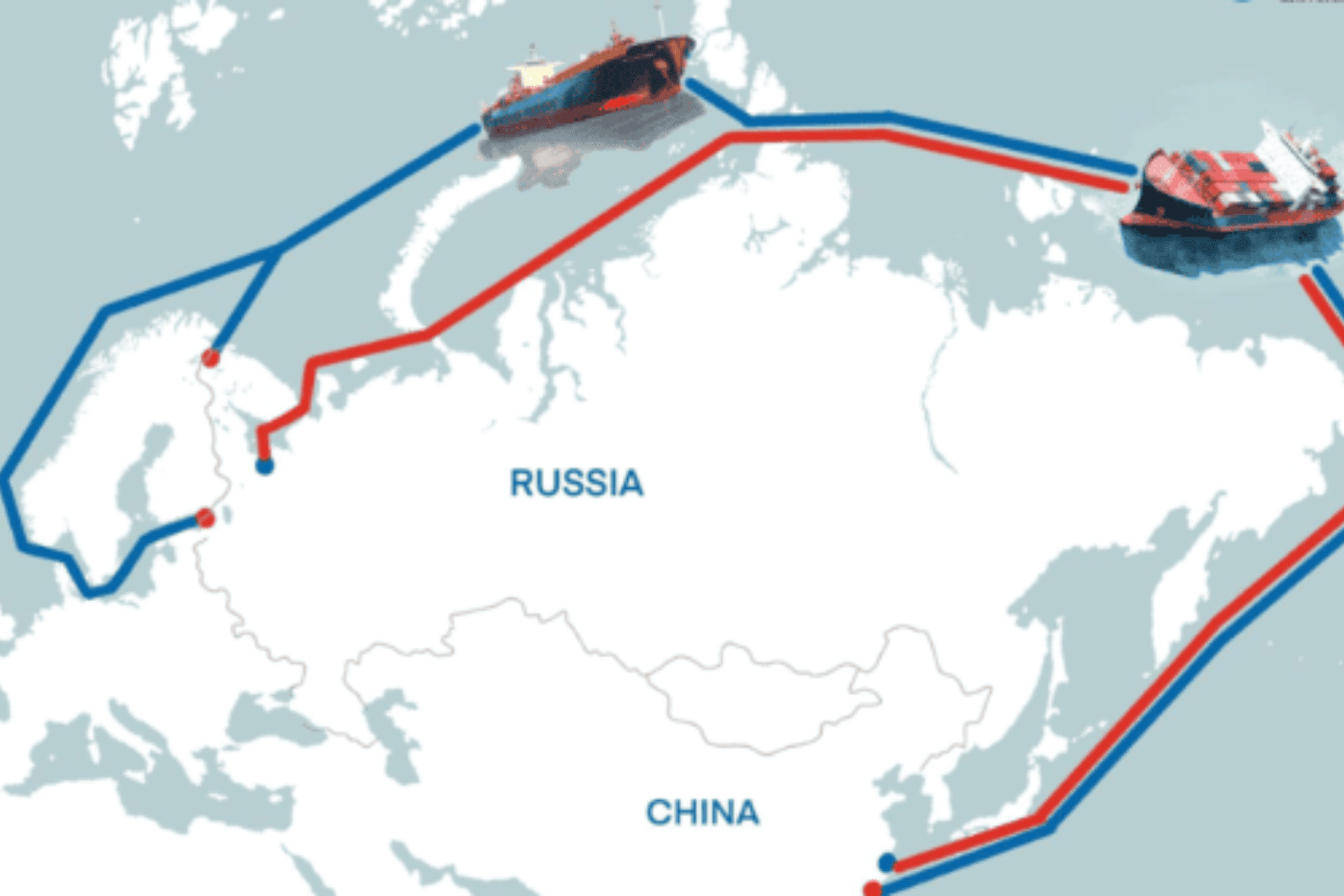
China’s plan to expand its Arctic trade corridor, also known as the “Polar Silk Road,” has advanced faster than expected. Working closely with Russia, China aims to turn the Arctic’s melting ice routes into a high-value commercial highway connecting Asia to Europe.
This development could reshape global logistics, alter shipping times, and shift geopolitical influence across the world.
1. What Is the Polar Silk Road?
The “Polar Highway”—as Chinese and Russian authorities now call it—is a commercial shipping corridor running along Russia’s northern coast.
Its goals include:
Creating a faster route to Europe
Reducing dependency on traditional chokepoints like Suez
Strengthening Chinese control over strategic maritime lanes
With climate change accelerating ice melt, these northern routes are becoming more accessible for longer periods each year.
2. Russia and China: A High-Value Strategic Alliance
Recent reports reveal that Russia is seeking billions in Chinese investment to upgrade Arctic infrastructure, including ports, icebreakers, and energy facilities.
For China, the partnership offers:
Expanded trade channels
Lower reliance on Western-controlled maritime paths
Energy cooperation aligned with long-term security goals
This alliance may significantly alter the balance of power in global logistics.
3. What This Means for Global Shipping Times
The Arctic route could shorten transit times between Asia and Europe by:
Up to 40% compared to the Suez Canal
Lower fuel consumption
Reduced exposure to geopolitical disruptions in the Middle East
For global supply chains, faster shipping times could impact freight costs, vessel routing strategies, and international distribution hubs.
4. Implications for North America
Even though the route focuses on Asia–Europe trade, the United States and Mexico could feel the ripple effects:
Possible shifts in Chinese shipping capacity
Competitive pressure on U.S. and Canadian ports
Reallocation of global maritime fleets
Increased strategic competition in the Arctic
North American logistics providers will need to stay alert as global cargo flows adjust.
5. Opportunities for Mexico and U.S. Importers
If the Polar Route becomes more common, Asian carriers may restructure schedules and spread capacity across new lanes.
Opportunities include:
More predictable shipping options
Diversified routes to avoid bottlenecks
Potential rate stabilization if capacity increases
Mexican ports—such as Manzanillo and Lázaro Cárdenas—could benefit indirectly as global maritime patterns evolve.
6. The Bigger Picture: A New Era of Trade Corridors
The Arctic may soon become as relevant as traditional maritime passages. As China accelerates this plan, global companies must prepare for a more complex, multipolar trade environment—one where alternative routes become essential to resilience.