
By María José Gamba
The Digital Product Passport Era: Re-Engineering Cross-Border Logistics for Electronic Products
Today, January 12, 2026, the logistics industry across North America has reached a definitive turning point. As of this morning, the Digital Product Passport (DPP) is officially mandatory for all electronic products circulating within the USMCA trade corridor. This is not merely a new regulation; it is a fundamental shift in how value and transparency are measured in the global supply chain.
At Americas Freight, we have spent the last two years preparing for this day. We understand that for our clients, “shipping” now involves a dual responsibility: moving the physical products and managing their digital “hashes” across a blockchain-verified ecosystem.
Understanding the DPP Framework for 2026
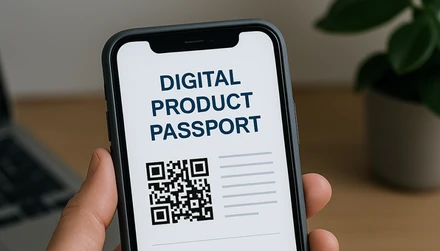
The Digital Product Passport is a data-driven initiative designed to eliminate opacity. Every electronic product—from high-density semiconductors to industrial battery packs—now carries a unique digital identity. This “digital twin” stores critical information regarding the product’s origin, sustainability metrics, and life-cycle management.
According to recent USMCA Trade Compliance Guidelines (2026), electronic products that fail to provide a verified DPP at the border will face immediate “Stop-Movement” orders. Americas Freight ensures that your products are pre-validated long before they reach the port of entry.
Why Transparency is the New Commodity
The 2026 economy demands more than just speed. Consumers and regulators alike are now focusing on the “Environmental, Social, and Governance” (ESG) scores of the products they purchase.
1. Circular Economy & Recyclability
One of the core functions of the DPP is to facilitate a circular economy. The passport provides detailed instructions on how electronic products should be dismantled and recycled at the end of their life cycle. This data is crucial for the Global Electronics Sustainability Initiative, helping reduce e-waste across the United States and Mexico.
2. Provenance and Ethical Sourcing
With the DPP, the “Proof of Origin” is immutable. For electronic products containing rare earth minerals, the passport tracks the material back to the mine, ensuring that your supply chain is free from conflict minerals or unethical labor practices, as mandated by the 2026 International Labor Standards.
The Americas Freight Competitive Edge
Managing the logistics of high-value electronic products in this new regulatory environment requires a partner that speaks the language of data. Americas Freight has integrated advanced API layers that connect directly to the USMCA Digital Customs Gateway.
Real-Time Compliance Audits: Our systems perform an instantaneous check on all products‘ digital passports, ensuring 100% documentation accuracy.
Reduced Dwell Times: By leveraging pre-cleared digital data, we have successfully reduced border dwell times for electronic products by an average of 65% compared to 2024 standards.
Zero-Paperwork Integrity: We have transitioned to a fully paperless environment, where the “Digital Hash” of your products serves as the ultimate bill of lading and certificate of origin.
Looking Ahead: The Future of Freight is Data
As we navigate this first day of mandatory DPP implementation, it is clear that the logistics sector is no longer just about trucks and ships; it is about the seamless flow of information. Whether you are moving consumer products to retail hubs in Chicago or critical components to assembly plants in Querétaro, Americas Freight provides the technological bridge necessary to thrive in this new era.