
By María José Gamba
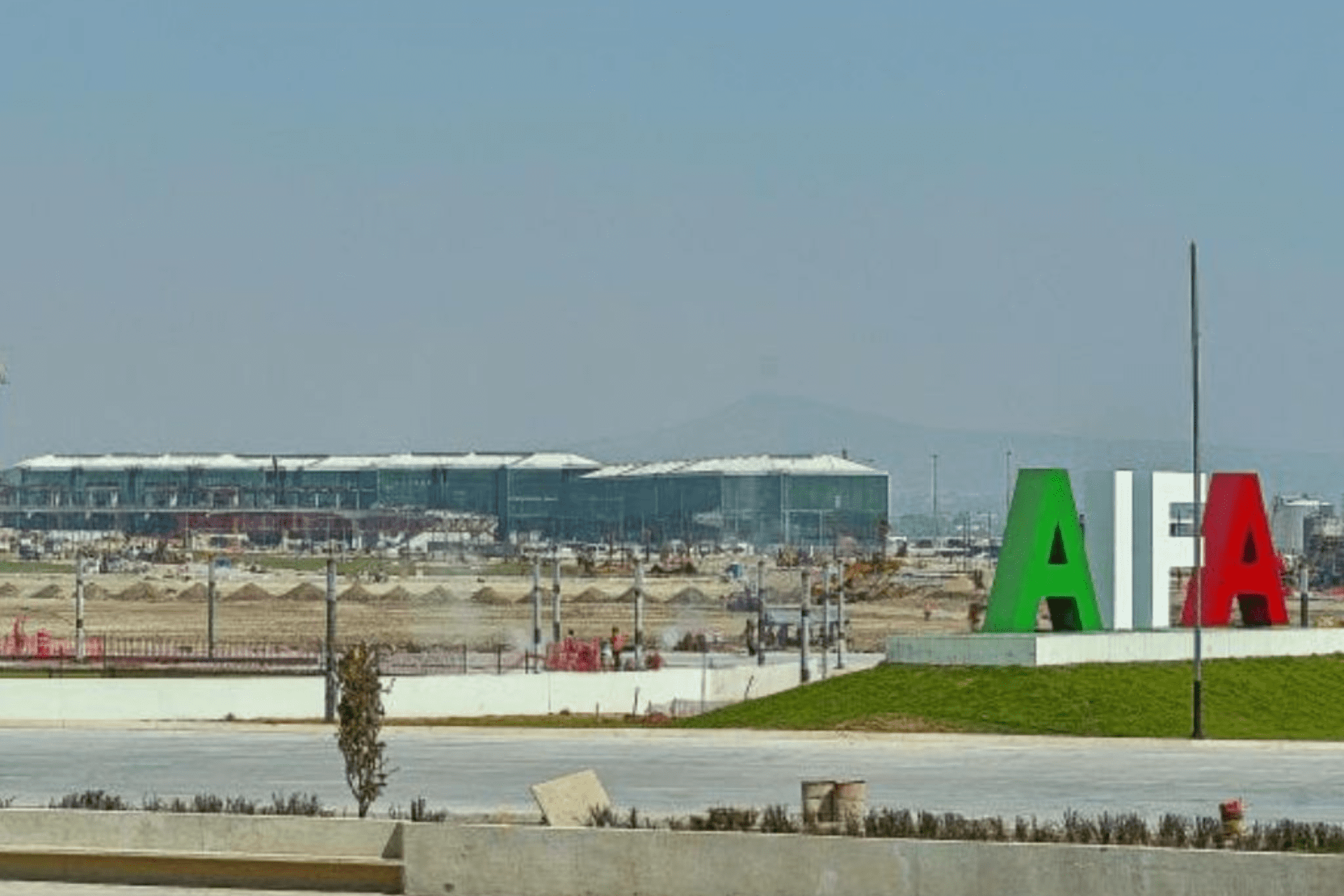
Mexican President Claudia Sheinbaum reaffirmed that air cargo operations will remain permanently at the Felipe Ángeles International Airport (AIFA), despite ongoing pressure from U.S. aviation and logistics stakeholders who prefer that operations return to the Mexico City International Airport (AICM).
This decision will continue shaping how freight moves between Mexico and the United States in 2025.
1. Why Mexico Is Committed to AIFA
The government argues that relocating cargo to AIFA helps:
Reduce congestion at the Mexico City International Airport
Improve safety and operational efficiency
Expand Mexico’s national airport infrastructure
Create long-term logistics capacity for imports and exports
AIFA has already become a key cargo hub connecting industrial regions with U.S. destinations.
2. Why Some U.S. Companies Pushed for Change
Certain U.S. carriers and logistics organizations expressed concerns about:
Increased trucking costs between AIFA and Mexico City
Longer door-to-door delivery times
Limited airline availability compared to AICM
Adjustment costs for existing supply chain routes
However, Mexico’s government has remained firm on its infrastructure strategy.
3. Impact on Cross-Border Air Freight
The decision affects U.S.–Mexico logistics in several ways:
Concentration of air cargo operations in a single, modern airport
Stronger connection between AIFA and U.S. cargo airports (LAX, DFW, MIA, PHX, ORD)
Increased movement of automotive, electronic, and medical goods
More predictable customs and security processes
For many industries, AIFA is becoming the default entry and exit point for air cargo.
4. Benefits for U.S. Businesses Shipping to Mexico
Despite initial concerns, AIFA now offers advantages:
New cargo facilities with higher space capacity
Direct access to major highways leading to industrial regions
Less congestion than the AICM
Long-term potential for expanded flight frequency
Companies with time-sensitive freight—electronics, automotive parts, aerospace inputs—are beginning to benefit from the airport’s expanded logistics ecosystem.
5. Effects on Mexican Internal Distribution
AIFA also influences logistics inside Mexico:
More distribution centers opening near the airport
Increased demand for domestic trucking from AIFA
Growth in bonded warehousing options
Integration with multimodal networks
The airport is emerging as a strategic hub for both domestic and cross-border supply chains.
6. The Road Ahead
As Mexico continues strengthening AIFA’s cargo infrastructure, U.S. and Mexican companies must adapt their logistics planning. The shift represents a long-term structural change—not a temporary move.
Those who restructure early will benefit from smoother, faster, and more cost-efficient supply chains.